Why Regular Pool Maintenance Saves You Money
Owning a swimming pool is enjoyable, but it is also an investment that needs consistent care. That is why regular pool maintenance saves you money: it cuts chemical waste, protects expensive equipment, lowers energy costs, prevents algae growth, and helps catch small issues before they turn into costly repairs.
For pool owners who want to care for their pools efficiently and avoid surprise bills, the savings come from routine work that keeps water chemistry balanced, debris under control, filters and pumps running properly, and leaks or wear from getting worse. Many owners only think about maintenance when the water turns cloudy or green. By then, the pool may need extra chemicals, longer pump run times, filter cleaning, repeated brushing, or professional treatment.
A well-maintained pool usually needs smaller corrections and fewer emergency repairs, which makes ownership safer, more predictable, and easier on your budget. This article looks at the parts of pool care that affect costs most, including water balance, equipment maintenance, algae prevention, energy efficiency, reduced chemical use, leak detection, the value of DIY pool maintenance versus professional service, and how regular upkeep helps protect property value.
Regular maintenance is not simply another monthly cost. It is preventative care for the swimming pool, its surfaces, and every component that keeps the water clean and safe.
Small Problems Become Costly Repairs
Most expensive pool problems begin as minor changes.
The pool pump may sound different. Water flow may weaken. Filter pressure may rise. A small drip may appear near a fitting. Chlorine may remain too low for several days. Algae may begin forming along the pool walls or steps.
These warning signs are easy to ignore when the pool still looks acceptable.
Unfortunately, pool systems continue operating even when something is wrong. A restricted filter makes the pump work harder. A leaking seal can damage the motor. Unbalanced water chemistry can corrode metal parts or damage pool surfaces. Low sanitizer can allow a small algae problem to become a full algae bloom.
Regular pool maintenance catches many of these issues while they are still manageable. Cleaning a filter, replacing a seal, correcting the chemical balance, or restoring proper water circulation is usually much less expensive than replacing damaged equipment or recovering a neglected pool.
Preventing costly repairs is one of the clearest financial benefits of maintaining a pool regularly.
Balanced Water Protects Surfaces and Equipment
Clear water is not always balanced water.
A swimming pool can look clean while its pH, total alkalinity, calcium hardness, sanitizer, or stabilizer levels are outside the proper range. Over time, unbalanced water chemistry can damage the pool without producing an obvious warning.
Water that is too acidic may corrode heaters, ladders, light rings, salt cells, pump components, and other metal parts. It may also etch plaster or grout and leave the surface rough.
Scale-forming water can create calcium deposits on tile, pool walls, salt cells, heaters, plumbing, and filtration systems. Heavy scale may reduce water flow, lower equipment efficiency, and become difficult to remove.
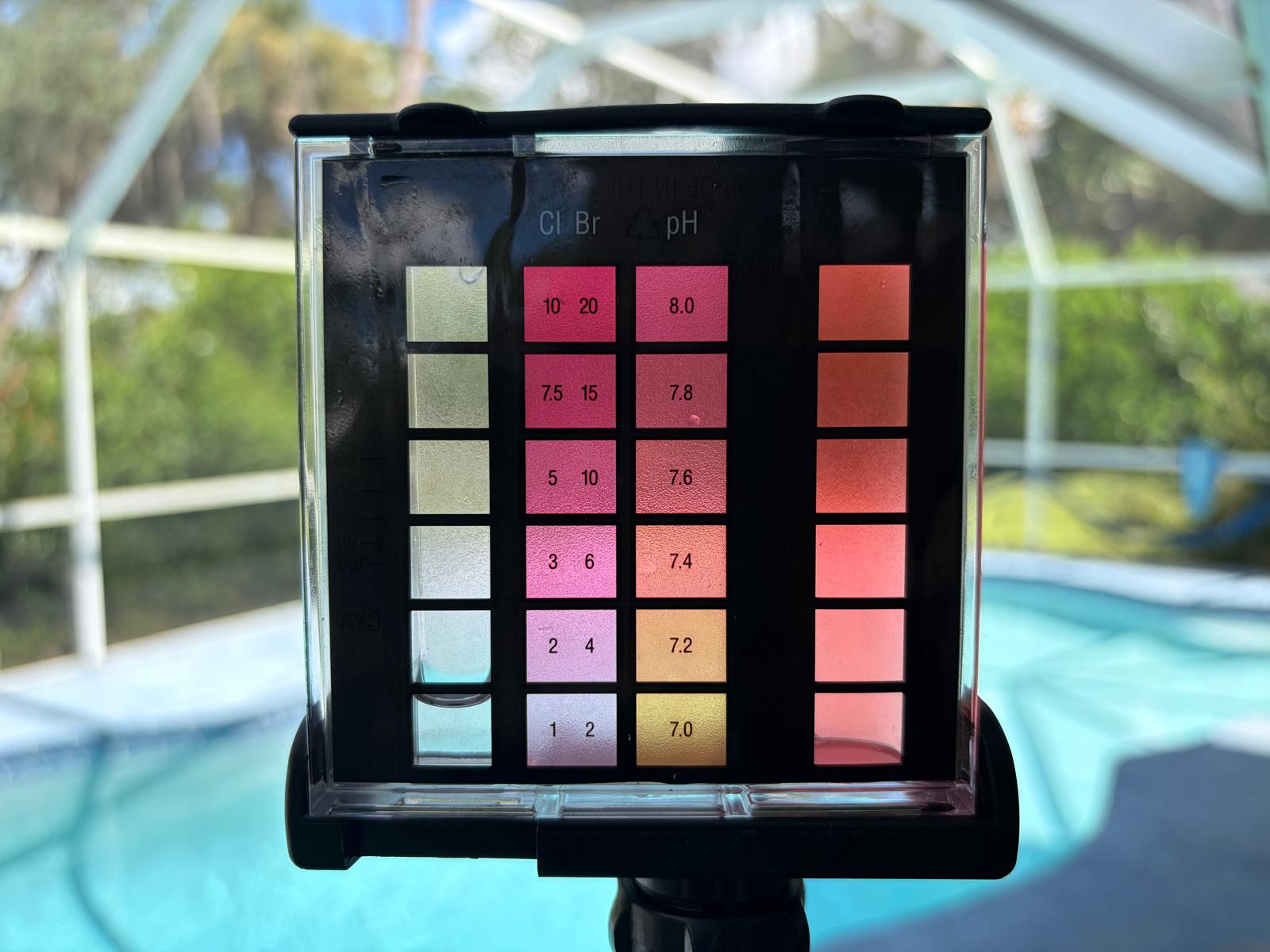
Routine chemical testing keeps the pool water within a safer range. Properly balanced water also allows chlorine to work more effectively, which can reduce chemical usage.
This is why swimming pool maintenance involves more than adding chlorine. Water chemistry is connected, and adding chemicals without testing can create new problems.
Maintaining balanced water costs far less than resurfacing a pool, replacing a heater, cleaning a scaled salt cell, or repairing corrosion damage.
Routine Cleaning Prevents Algae Growth
How often should a pool really be serviced?
Algae growth is one of the most common consequences of neglected pool maintenance.
Algae can begin when chlorine falls too low, circulation weakens, the filter becomes dirty, or debris remains in the water. Warm weather, rain, sunlight, swimmers, and organic material can all increase chlorine demand.
At first, algae may appear as a dull area on a step, a slippery patch on the wall, or a light green tint. Without quick treatment, it can spread throughout the swimming pool.
A full algae bloom may require large amounts of chlorine, repeated brushing, extended filtration, filter cleaning, and several return visits. Severe cases may require a professional green pool cleanup.
Routine cleaning helps prevent that expense. Brushing removes early algae and buildup from pool surfaces. Skimming and vacuuming remove organic material before it consumes chlorine. Cleaning skimmer baskets and pump baskets supports proper water flow.
Regular cleaning is much less expensive than recovering a neglected pool. It also helps keep the pool safe, since inadequately sanitized water can become a breeding ground for algae and bacteria.
Clean Filters Protect the Pool Pump
The pool filter removes dirt, pollen, insects, dead algae, and other small particles from the water.
As debris collects, resistance increases. Water becomes harder to move, pressure may rise, and return flow may weaken. The pool pump must work harder to circulate the same amount of water, increasing equipment wear and energy use.
A dirty filter also makes it harder to maintain crystal clear water. Chemicals circulate less evenly, debris remains longer, and areas with weak circulation become more vulnerable to algae.
Filter cleaning should be based on filter type, pressure, water flow, and pool conditions. Cartridge, sand, and DE filtration systems have different maintenance requirements.
A filter should not be ignored until circulation nearly stops, but it should not be cleaned unnecessarily either. Professional pool maintenance helps determine when service is actually needed.
Keeping the filter in top shape protects the pump, improves water quality, and helps the pool system operate efficiently.
Proper Circulation Lowers Energy Costs
The pool pump moves water through the skimmer, filter, heater, chlorinator, salt system, and return lines. Proper water circulation distributes sanitizer and removes contaminants.
Poor circulation may be caused by clogged skimmer baskets, a full pump basket, a dirty filter, low water level, air leaks, closed valves, blocked plumbing, or weak pump performance.
When water flow is restricted, the pool may require longer pump run times to remain clean. That increases electricity use and monthly utility bills.
Regular maintenance keeps baskets clear, monitors filter pressure, checks return flow, and identifies circulation problems early. A clean system can move water using less energy than one struggling against blockages.
Variable-speed pumps can improve energy efficiency when programmed correctly, but even an efficient pump cannot overcome a severely dirty filter or restricted plumbing.
Electricity rates vary by location and operating schedule, so a national average cannot predict every owner’s energy costs. The important point is that clean equipment and proper circulation reduce wasted energy.
Regular Maintenance Reduces Chemical Waste
Some pool owners try to save money by waiting until the water looks bad before adding chemicals. This usually costs more.
Pool chemicals work best when the water remains stable. When chlorine, pH, alkalinity, stabilizer, or calcium hardness moves far outside the proper range, several products may be needed to correct it.
Low chlorine can lead to algae blooms. High pH can reduce chlorine effectiveness. Low stabilizer allows sunlight to destroy chlorine quickly. Excessive stabilizer may require higher chlorine levels or partial water replacement.
Adding chemicals without testing may also create chemical overloads. A homeowner may add more chlorine when the real problem is poor circulation, high stabilizer, or a dirty filter.
Routine testing allows smaller, more accurate adjustments. That reduces unnecessary chemical use and prevents one correction from creating another imbalance.
Professional pool service companies may purchase common chemicals in bulk, but the greatest cost savings come from using the correct product in the correct amount.
Balanced water needs maintenance. Severely unbalanced water needs correction, and correction is usually more expensive.
Pool Covers Reduce Water, Heat, and Chemical Loss
A pool cover can reduce evaporation, heat loss, and debris entering the water.
Replacing evaporated water raises utility bills and changes the concentration of minerals and chemicals. A cover can reduce how often water must be added, particularly during dry or windy conditions.
Covers also help heated swimming pools and hot tubs retain heat, reducing the energy required to restore the desired temperature. Keeping leaves and insects out may also reduce chlorine demand and routine cleaning.
A cover does not replace pool maintenance, but it can reduce water loss, chemical loss, heat loss, and cleaning time.
Early Leak Detection Prevents Bigger Losses
A falling water level is not always caused by evaporation.
Pools can leak through plumbing, fittings, skimmers, return lines, lights, equipment, or the pool structure. Small leaks may continue for weeks before they become obvious.
A leaking pool wastes water and chemicals. Equipment leaks can cause additional damage. A dripping pump seal may damage the motor, while water near electrical equipment creates a safety concern.
Regular inspections make unusual water loss, damp equipment, corrosion, air bubbles, and changes in pump performance easier to notice.
Routine pool service cannot locate every hidden leak, but it can identify warning signs that justify further testing. Finding a leak early may prevent significant water loss and expensive repairs.
Proper Maintenance Extends Equipment Life
The pump, filter, heater, salt system, automation, valves, and cleaner all experience normal wear. Proper maintenance cannot make pool equipment last forever, but it can reduce unnecessary strain and premature failure.
What Happens If You Skip Weekly Pool Service? A pool pump may be damaged by low water, clogged baskets, air leaks, poor flow, or running dry. A heater may be damaged by corrosive water, scale, or inadequate flow. A salt cell may stop producing efficiently when it becomes scaled.
Regular maintenance provides an opportunity to notice unusual noises, leaks, pressure changes, error messages, and reduced performance.
A minor repair may be possible when a problem is found early. Continuing to operate malfunctioning equipment can turn a small repair into complete replacement.
Professional services can help extend equipment life by ensuring the system is operated correctly and maintained according to its actual condition. The goal is not to eliminate every future repair. It is to prevent avoidable failure and get the best useful life from the equipment already installed.
Predictable Costs Are Better Than Emergency Bills
Pool maintenance costs depend on pool size, location, weather, surrounding vegetation, equipment, service level, and whether chemicals are included.
That is why broad national average figures—or the monthly prices paid by homeowners in places such as Arizona—may not accurately reflect the cost of maintaining a Florida pool. Weekly cleaning and monthly service prices also vary depending on what the company includes.
The more important financial benefit is predictability.
Regular maintenance creates expected monthly costs for cleaning, testing, chemicals, and periodic filter service. Neglected pools create unpredictable expenses.
A green pool, failed pump, severe leak, damaged heater, or badly stained surface may require hundreds or thousands of dollars with little warning.
Proactive maintenance allows pool owners to plan for normal expenses and identify aging equipment before it fails. That creates more control and fewer emergency decisions.
Can DIY Pool Maintenance Save Money?
DIY pool maintenance can reduce labor costs when the homeowner has the time, proper testing equipment, and knowledge to maintain the pool consistently.
The basic tasks include testing water, calculating chemical doses, brushing, vacuuming, skimming, emptying baskets, checking water level, monitoring filter pressure, and inspecting equipment.
For some homeowners, that routine is manageable. For others, it becomes a daunting task during heavy rain, high temperatures, vacations, or equipment problems.
The technical aspects matter. Adding the wrong chemical, using an inaccurate test, ignoring stabilizer, running the pump incorrectly, or failing to recognize poor circulation can erase the savings from DIY maintenance.
DIY maintenance is not automatically cheaper if the pool repeatedly develops algae, chemicals are overused, or equipment problems go unnoticed.
A homeowner who maintains the pool regularly and understands the system may save money. A homeowner who reacts only when the pool looks bad may spend more than someone using professional maintenance.
When Hiring a Professional Saves Money
Hiring a company like Harbor Line for North Port Pool Service can make financial sense because it helps properly maintain a pool, prevents expensive mistakes, and reduces missed maintenance issues while saving the homeowner time.
A professional pool maintenance service should provide more than routine cleaning. It should test the water, make appropriate chemical adjustments, brush and remove debris, inspect water flow, monitor filtration systems, and identify visible equipment concerns.
A professional may notice rising filter pressure, weak return flow, unusual chlorine demand, early algae growth, a leaking pump, or changing water quality before the homeowner does. Regular expert attention also helps ensure the pool stays in good condition over time.
Professional maintenance also creates consistency. The pool is checked on a regular schedule rather than whenever the homeowner has extra time.
That consistency provides peace of mind and makes pool ownership more stress-free. It reduces the chance of returning from vacation to green water or discovering an equipment failure just before guests arrive.
When comparing a professional pool service company, consider what is included instead of choosing only by the lowest monthly price. Comprehensive services, dependable scheduling, clear communication, and preventative inspections may provide greater long-term value.
A Well-Maintained Pool Protects Property Value
A clean, functioning swimming pool can improve the appearance and enjoyment of a home. A neglected pool can do the opposite.
Green water, stained surfaces, broken equipment, damaged tile, leaks, and rough plaster may concern potential buyers. These visible problems suggest that the pool may require expensive repairs after the sale.
Routine maintenance enhances curb appeal and shows that the pool has been cared for. Service records may also demonstrate consistent upkeep.
A well-maintained pool does not guarantee a specific increase in resale value because real estate markets vary. However, a neglected pool can become a clear liability.
Protecting the pool also protects the broader investment in the property.
The Cheapest Pool Is Usually the Stable Pool
The biggest cost savings from regular pool maintenance come from stability.
A stable pool needs smaller chemical adjustments. It maintains better water flow. Its pump and filter operate with less strain. Algae is stopped before it spreads. Leaks and equipment problems are more likely to be noticed early.
Proper maintenance helps pool owners:
- Prevent costly repairs
- Reduce chemical waste
- Extend equipment life
- Improve energy efficiency
- Prevent algae blooms
- Protect pool walls and surfaces
- Maintain better water quality
- Detect leaks earlier
- Keep monthly costs predictable
- Protect property value
Skipping maintenance may appear to save money for a few weeks. Those savings disappear quickly when the pool needs major repairs, intensive treatment, or equipment replacement.
Protect Your Pool With Regular Professional Care
Regular pool maintenance protects the swimming pool, its equipment, and the money invested in it.
Balanced water helps prevent corrosion and scale. Routine cleaning prevents algae growth. Filter maintenance protects water flow and the pool pump. Equipment inspections identify wear before a component fails. Proper circulation and clean systems can also reduce energy bills.
Most importantly, regular maintenance keeps small problems small.
Harbor Line Pool Care provides dependable weekly pool cleaning service for homeowners in North Port and Port Charlotte, Florida. Our professional pool maintenance focuses on water testing, chemical adjustments, routine cleaning, equipment observation, and preventative care that helps keep your pool clean, safe, and ready to enjoy.
Visit our contact page to request pool service or learn more about maintaining your swimming pool.