How Often Should a Pool Really Be Serviced?
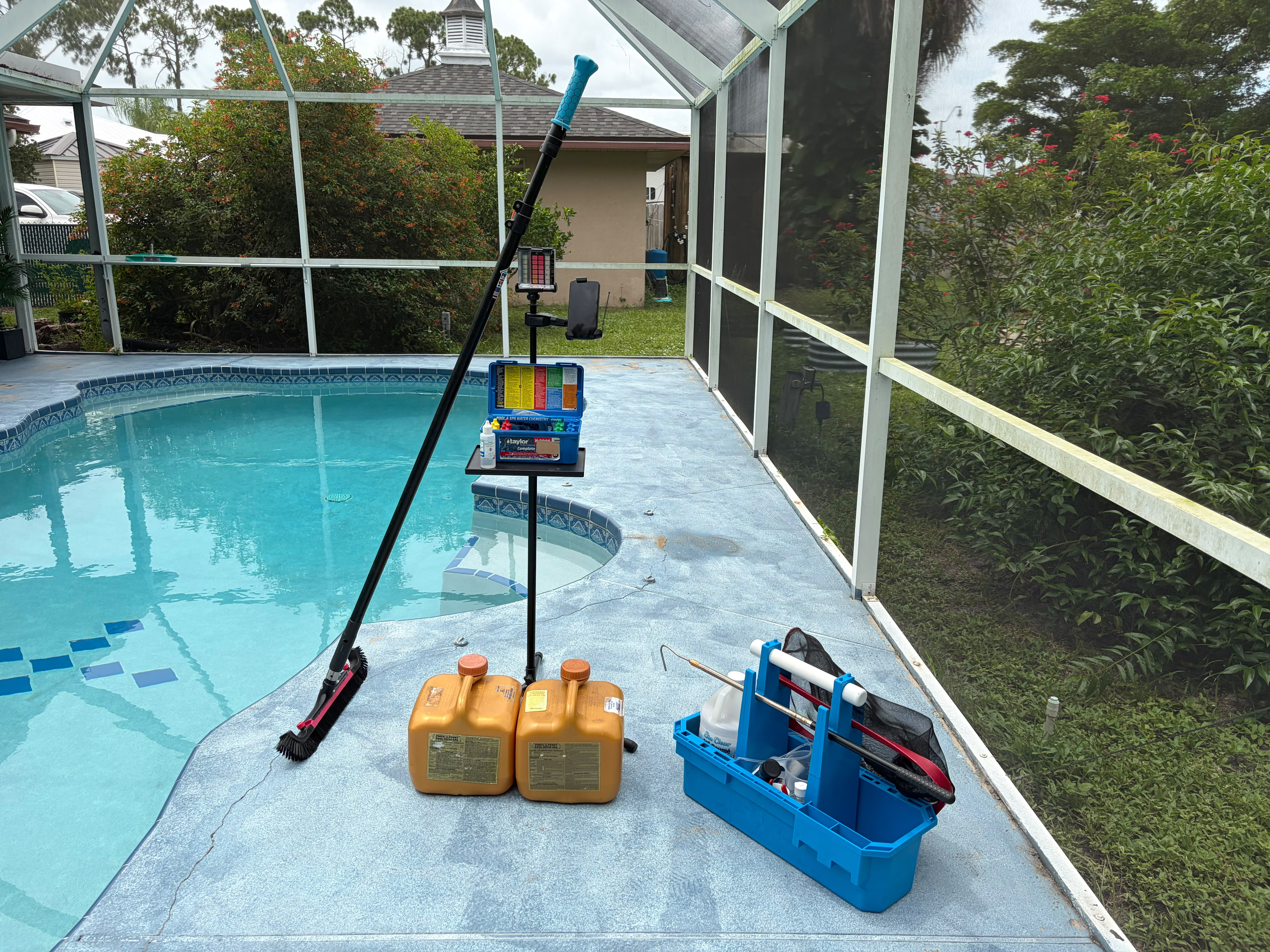
Owning a swimming pool should mean more time relaxing and less time dealing with algae, cloudy water, clogged baskets, and equipment problems. However, keeping a pool crystal clear requires more than adding chlorine whenever the water starts looking dull.
So, how often should a pool really be serviced?
For most residential pool owners in Southwest Florida, the answer is once every week. Our heat, heavy rain, intense sunlight, frequent pool use, and nearly year-round swimming season make regular pool maintenance especially important.
A weekly maintenance schedule helps keep water chemistry stable, removes debris before it creates problems, and gives someone an opportunity to catch small issues before they become costly repairs. Below, we break down what that weekly service should include—from water testing and balancing to equipment checks, filter cleaning, and seasonal pool care—so Southwest Florida homeowners can keep water clean, prevent algae, protect pool equipment, and avoid expensive repairs.
Why Weekly Pool Service Is Usually the Right Schedule
A pool is constantly changing, even when no one is swimming in it.
Sunlight breaks down chlorine. Rainwater affects the water chemistry. Leaves, pollen, insects, grass clippings, and other debris enter the water. Algae spores can begin growing on pool walls and other pool surfaces before they are easily visible.
The pool equipment is also working every day. Water moves through the skimmer, pump baskets, filter, heater, salt system, and return lines. A minor restriction or change in filter pressure can eventually affect the entire circulation system.
Weekly service allows these conditions to be checked and corrected before they get out of control.
You may ask yourself: What's Included in Professional Pool Service?
A proper weekly pool cleaning normally includes:
- Testing and balancing the pool water
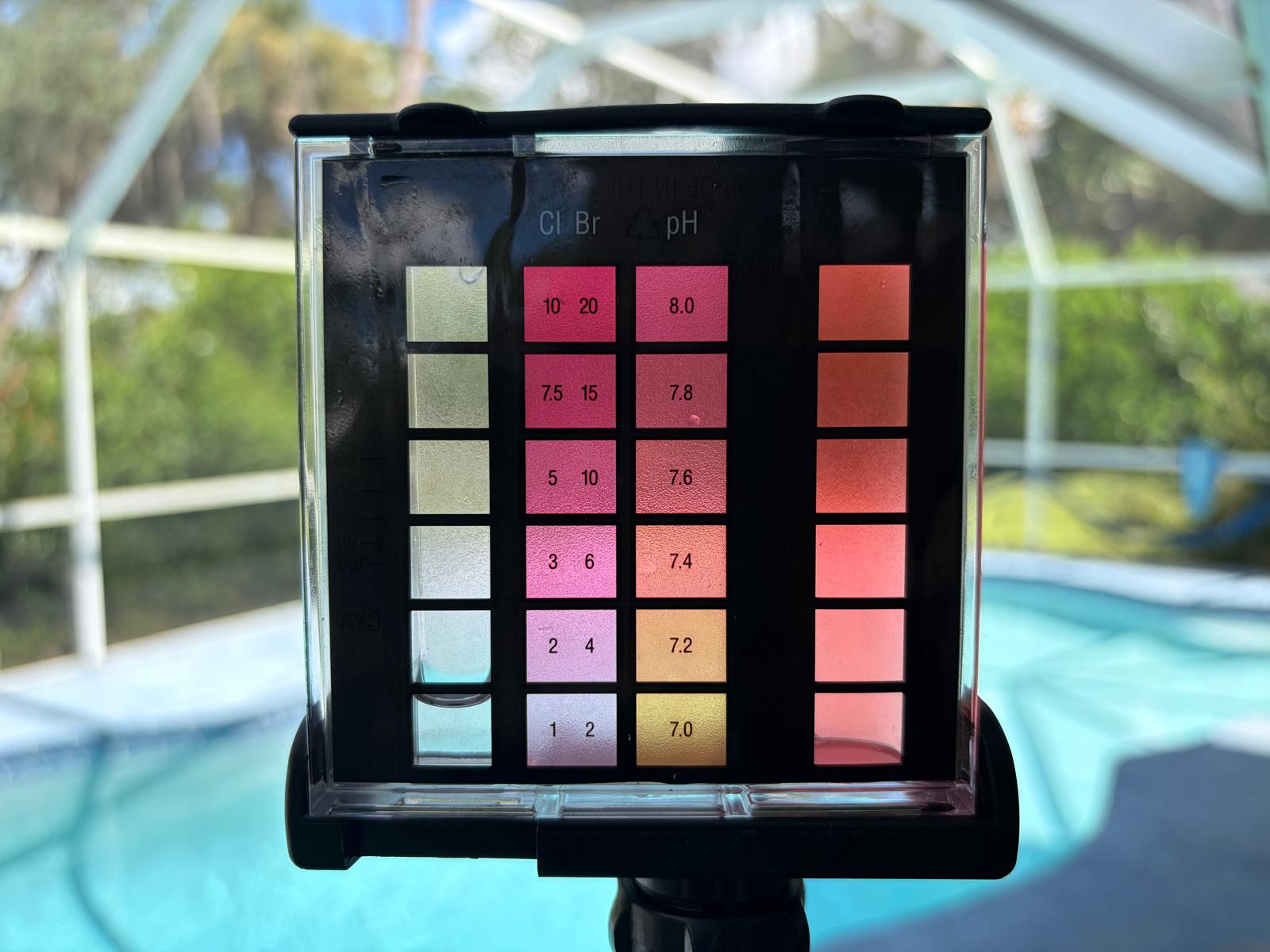
- Checking chlorine and pH levels
- Emptying skimmer baskets and pump baskets
- Skimming debris from the water
- Brushing pool walls, steps, benches, and problem areas
- Vacuuming when needed
- Checking filter pressure
- Inspecting the pump and visible pool equipment
- Making sure the automatic cleaner is operating efficiently
- Watching for leaks, unusual noises, weak circulation, or developing algae
Skipping these tasks for an additional week may not always cause an immediate disaster, but it increases the risk of cloudy water, algae growth, circulation problems, and equipment damage.
Florida Pools Need More Frequent Attention
Pool care advice is sometimes written for parts of the country where pools are closed during winter or used for only a few months each year. That is very different from maintaining a pool in North Port or the surrounding Southwest Florida area.
Florida’s hot environment encourages algae growth. High water temperatures also increase chlorine demand, especially during the summer months.
Heavy rain can dilute pool chemicals and introduce dirt, pollen, organic material, and phosphates. Intense sunlight consumes chlorine, while warm weather allows bacteria and algae to multiply quickly when sanitizer levels fall.
Even during the cooler months, Southwest Florida pools continue collecting leaves, insects, pollen, and other debris. The pool pump, filter, and sanitation system also continue operating.
That is why monthly servicing is generally not sufficient for an open, operating Florida pool. Bi-weekly service can also leave too much time between water tests and equipment inspections.
Can a Pool Be Serviced Every Two Weeks?
Bi-weekly pool maintenance may work in limited situations, such as a lightly used pool in a cooler climate with very little debris. However, it is rarely the best plan for a Florida pool.
A lot can change in two weeks.
A chlorinator can run empty. A salt generator can stop producing chlorine. A skimmer basket can fill with leaves. A pump basket can become restricted. Filter pressure can rise. A small leak can lower the water level enough to affect circulation.
The pool may still look acceptable at first, even while the water chemistry is moving in the wrong direction.
By the time cloudy water or algae becomes visible, correcting the problem may require additional chlorine, algaecide, phosphate remover, filter cleaning, or multiple service visits. Any money saved by waiting longer between visits can disappear quickly, while proactive weekly care can pay off by helping avoid corrective treatment and extra visits.
Weekly maintenance is not simply about making the pool look clean. Professional weekly pool service is preventive maintenance for the water, pool surfaces, and equipment.
How Often Should Pool Water Be Tested?
Pool water should normally be tested at least once each week. During extremely hot weather, after heavy rain, or during periods of heavy swimming, additional testing may be helpful.
The most important readings include:
- Free chlorine
- pH
- Total alkalinity
- Cyanuric acid
- Calcium hardness
- Salt, when the pool uses a salt chlorine generator
For many residential pools, pH is generally maintained between 7.2 and 7.8. Chlorine requirements depend on factors such as water temperature, cyanuric acid, sanitizer type, sunlight, and pool usage.
Cyanuric acid helps protect chlorine from being destroyed too quickly by sunlight, but too much can make the water harder to sanitize properly. Calcium hardness also matters because improperly balanced water can contribute to scaling, staining, or damage to pool surfaces.
Water chemistry is connected. Adjusting one reading without understanding the others can create new problems. Having the right tools and a consistent testing schedule makes it easier to maintain stable water quality.
What Should Pool Owners Do Between Weekly Visits?
Even when a pool receives weekly service from professionals, homeowners can help protect the pool between visits.
Skim large debris from the surface when needed. Empty an overflowing skimmer basket before it restricts water flow. Check the water level, especially during dry weather. The water should normally remain high enough for the skimmer to draw water properly.
Pool owners should also watch for:
- Unusual pump noises
- Air bubbles coming from the returns
- Weak water movement
- Water leaking near the equipment
- A cleaner that has stopped moving
- Rapidly rising filter pressure
- Green, yellow, or black areas on the pool surfaces
- Cloudy or unusually dull water
These warning signs do not always mean there is a major problem, but they should not be ignored.
A few minutes of observation can prevent clogs, protect the pump, and help identify small issues before they interrupt filtration.
How Often Should Pool Cleaning, Brushing, and Vacuuming Be Done?
Pool walls, steps, benches, corners, and other low-circulation areas should generally be included in weekly cleaning and brushed every week.
Brushing helps prevent algae and biofilm from becoming established on pool surfaces. It also moves fine material into the water so the filtration system can remove it.
Vacuuming needs depend on the pool environment. A screened pool with very little debris may not need extensive vacuuming every week. An uncovered pool near trees, landscaping, construction, or a dusty area may need it much more often.
An automatic cleaner can reduce manual vacuuming, but it does not replace brushing, water testing, basket cleaning, or equipment inspection.
Automatic cleaners can also miss steps, ledges, corners, and areas behind ladders. They should be considered one pool care tool rather than a complete maintenance system.
How Often Should the Pool Filter Be Cleaned?
There is no single calendar schedule that works for every filter.
The best guide is usually the filter pressure. Pool owners should know the normal clean operating pressure for their system. When the pressure rises significantly above that clean starting point, the filter may need to be cleaned or backwashed.
The exact process depends on whether the pool has a cartridge, sand, or diatomaceous earth filter.
Filters may need more frequent attention during:
- Algae treatments
- Periods of heavy debris
- Construction nearby
- Pollen season
- Green pool cleanup
- Heavy swimming
- Stormy weather
Waiting too long to clean a dirty filter can restrict circulation, reduce filtration, and place unnecessary strain on the pump.
How Often Should Pool Equipment Be Inspected?
Basic equipment should be observed during every weekly service visit.
This includes the pool pump, filter, valves, chlorinator, salt system, heater, visible plumbing, automation system, and automatic cleaner.
A more detailed equipment inspection should be performed periodically. This may include checking seals, inspecting electrical components, cleaning a salt generator cell, checking heater operation, and examining the system for leaks or worn parts.
Saltwater pools still require regular maintenance. The salt generator produces chlorine, but it does not balance the water, remove debris, brush the pool, clean baskets, or prevent every equipment problem.
Salt cells also develop calcium buildup and may require inspection and cleaning. Ignoring the cell can reduce chlorine production and shorten its useful life.
Does the Pool Pump Need to Run 8 to 12 Hours Every Day?
You may have heard that every pool pump should run for 8 to 12 hours daily. That can be a reasonable starting point for some pools, but pump schedules should not be treated as one-size-fits-all.
The proper run time depends on:
- Pool size
- Pump speed
- Plumbing design
- Filter condition
- Water temperature
- Pool usage
- Debris load
- Sanitizer system
- Time of year
Variable-speed pumps can often run longer at a lower speed while using less electricity than a single-speed pump running for a shorter period.
The important thing is to provide sufficient circulation and filtration while allowing the sanitation system to maintain safe, stable water.
A pool professional can help adjust the schedule based on the pool’s actual system instead of relying on a generic number of hours.
Seasonal Pool Maintenance in Southwest Florida
Pool maintenance needs can change throughout the year, but weekly service remains the safest schedule for most Florida pools.
Spring
Spring often brings warmer water, pollen, landscaping debris, and increasing chlorine demand. This is a good time to inspect the equipment, clean the filter, review the pump schedule, and prepare for summer conditions. Before the first big swim or dive of the season, give the pool a thorough water test and equipment check.
Summer
Weekly service is essential during the summer months. High temperatures, strong sunlight, heavy rain, and frequent swimming can change water chemistry quickly.
Chlorine levels should be watched closely, baskets should be kept clear, and developing algae should be handled immediately.
Autumn
Leaves and other organic debris can increase during autumn. Even pools inside screened enclosures may collect more material than usual.
Skimmer baskets, pump baskets, and automatic cleaners may require additional attention, so don’t forget to empty and check them to prevent clogs and maintain proper circulation.
Winter
North Port pools do not experience a traditional pool-closing season. Cooler water may reduce chlorine demand and slow algae growth, but the pool still needs circulation, sanitation, cleaning, and equipment monitoring.
Weekly service keeps the pool ready to use and prevents neglected issues from carrying into spring.
Is Weekly Pool Service Worth the Cost?
Weekly pool service is an investment in the pool, its equipment, and the homeowner’s time, especially when routine care starts to feel like another job.
Consistent maintenance can help extend the life of pumps, filters, heaters, salt systems, and pool surfaces. It can also reduce the likelihood of severe algae growth, clogged plumbing, damaged equipment, and expensive emergency treatments, while helping keep your pool in better condition over time.
Most importantly, it keeps the swimming pool clean, balanced, and ready for an enjoyable swimming experience, as well as safe, stress-free fun.
Waiting until the water turns green or the pump stops working is usually more stressful and more expensive than maintaining the pool consistently.
The Best Pool Maintenance Schedule
For most residential pools in Southwest Florida, a practical maintenance plan looks like this, and consistency is key to effective pool care:
Daily or as needed: Remove large debris, check the water level, and observe the equipment.
Weekly: Test and balance the water, clean baskets, skim, brush, vacuum as needed, and inspect the filtration system—the highest level of routine service for keeping conditions stable.
Monthly: Review equipment condition, pump operation, filter pressure, and overall water balance more closely.
Seasonally: Perform deeper filter maintenance, inspect specialty equipment, adjust pump schedules, and prepare for changing weather conditions.
The answer to how often a pool should really be serviced is straightforward: most Florida pools should receive professional maintenance every week.
Regular pool maintenance saves you money and helps protect water quality, prevents algae, supports proper filtration, and catches small issues before they turn into costly repairs, while the environment plays a major role in how often service is needed.
For most homeowners in Southwest Florida, weekly professional pool service provides the best balance between water quality, equipment protection, and long-term maintenance costs.
Harbor Line Pool Care provides dependable weekly pool service for homeowners in North Port, Florida. Our goal is to simplify pool care so you can spend less time worrying about chlorine, filters, and equipment—and more time enjoying your pool.
Still have questions about pool care? Visit our Pool Care FAQ for answers to common questions about water chemistry, equipment, and routine maintenance.