10 Signs Your Swimming Pool Needs Professional Attention
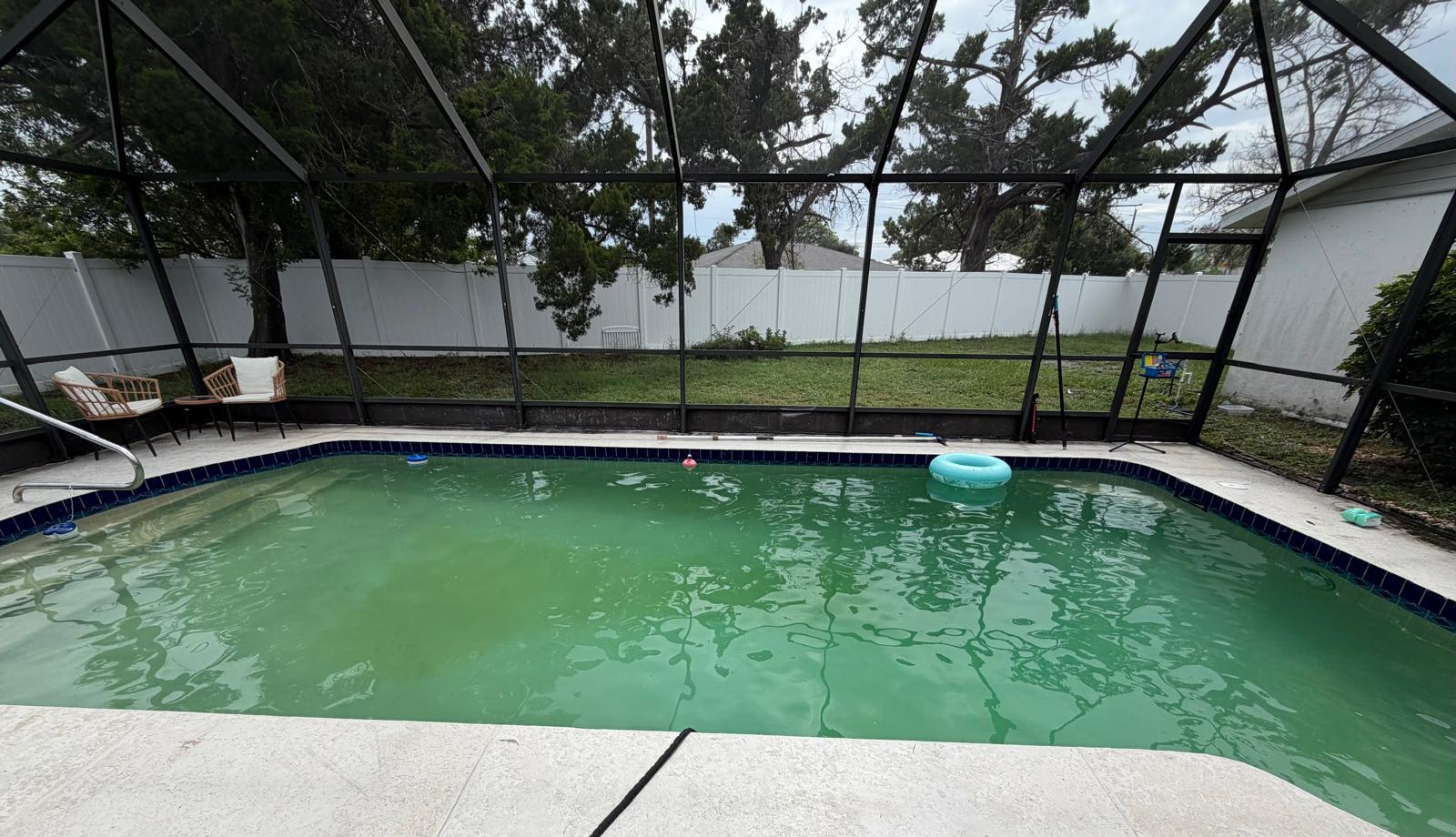
Owning a swimming pool in Southwest Florida means having a place to cool off and relax almost year-round. It also means dealing with intense sunlight, heavy rain, warm water, algae growth, debris, and constantly changing water chemistry.
If you're wondering about 10 signs your pool needs professional attention, the most common ones include persistent cloudy water, recurring algae, unstable chemistry, a strong chlorine smell, high filter pressure or weak circulation, unusual pump noise or rising electric bills, dropping water levels, visible cracks or surface damage, problems around the pool deck, and constant maintenance struggles. Some pool problems are easy to correct. A few leaves on the bottom or a slightly low chlorine reading usually aren't emergencies.
Other issues are early warning signs that something more serious may be happening with the pool water, filtration system, pool equipment, or even the pool structure itself. For pool owners—especially in Southwest Florida—knowing how to spot these physical and chemical warning signs early can help prevent costly repairs, protect equipment and surfaces, maintain water quality and safety, and reduce the time and effort it takes to keep the pool in good shape.
This article explains what these signs can mean, what may be causing them, when a professional inspection makes sense, and how consistent pool care can help prevent bigger problems.
1. Your Pool Water Keeps Turning Cloudy
Cloudy water is one of the most common signs that a pool needs professional attention.
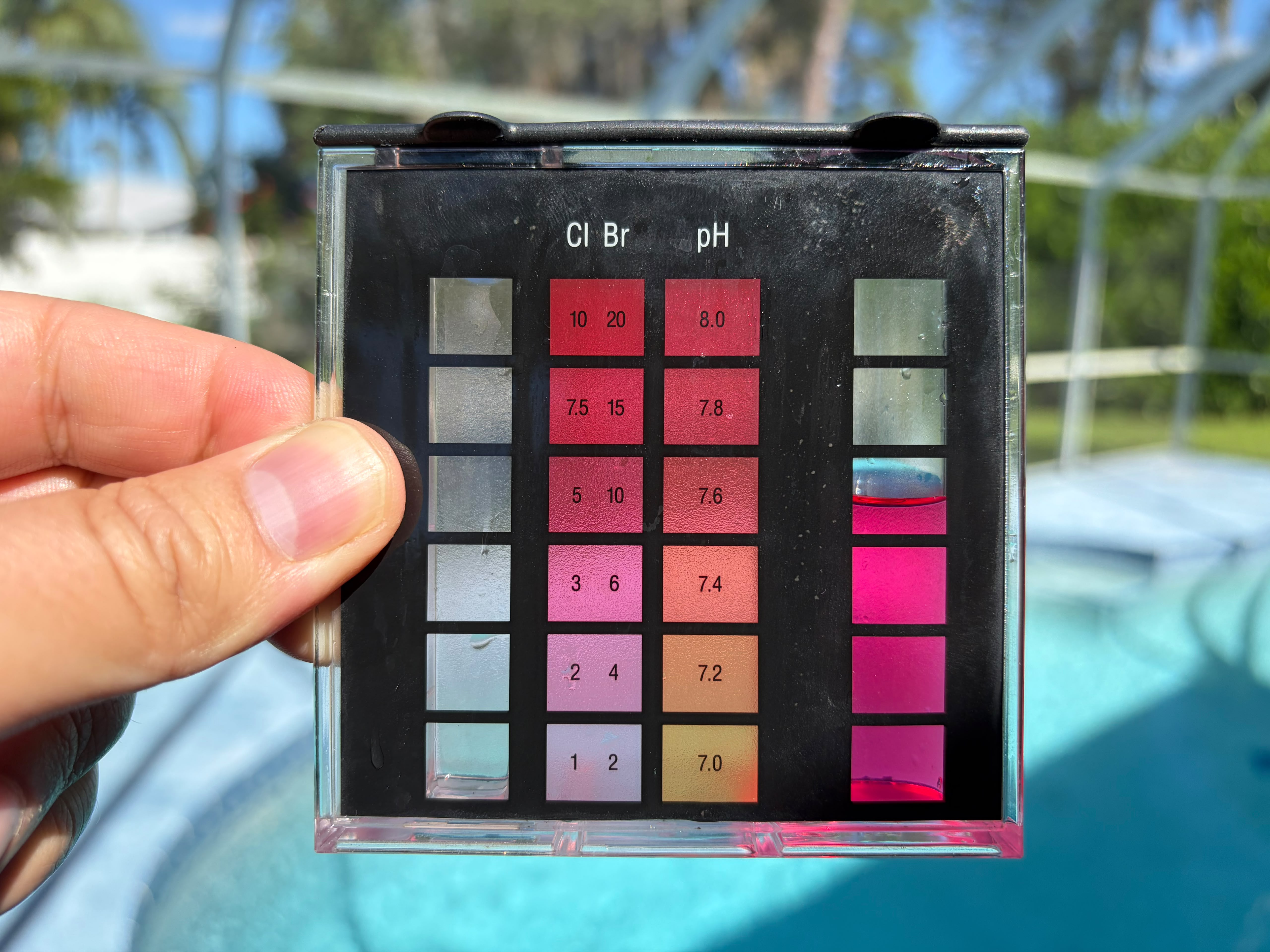
This is what happens if you skip weekly pool service.
It can be caused by inadequate chlorine, improper pH levels, poor filtration, high calcium hardness, excessive contaminants, algae growth, or water that simply isn't circulating through the filtration system properly.
If you correct the chemical balance and the cloudy water keeps coming back, repeatedly adding chlorine or clarifier probably isn't going to solve the underlying issue.
Cloudy water can also indicate that the filter or pump isn't doing its job effectively. A dirty cartridge, restricted water flow, or another filtration problem may prevent contaminants from being removed from the pool water.
A pool professional can test the water, inspect the filtration system, and determine whether you're dealing with a chemical imbalance, circulation problem, or equipment issue.
We've seen pools where homeowners kept adding chlorine because the water stayed cloudy, assuming the sanitizer level was the problem.
In one case, the real culprit was a heavily clogged cartridge filter that wasn't allowing proper circulation.
After cleaning the filter and rebalancing the water, the pool cleared up quickly without the homeowner continuing to waste chemicals chasing the wrong problem.
2. Algae Keeps Coming Back
A small amount of algae around a step, pool wall, or shaded corner can sometimes appear when chlorine gets too low.
Persistent algae growth is a different story.
If you brush the pool, raise the chlorine level, and the algae quickly returns, there may be a deeper problem involving water chemistry, circulation, filtration, or chlorine demand.
Algae blooms can occur when areas of the pool receive weak water flow or when contaminants consume chlorine faster than it can sanitize the water.
Improper stabilizer levels can also make maintaining adequate free chlorine more difficult.
Once a pool turns green, simply adding more chemicals isn't always enough. Professional green pool cleanup can help restore water quality while identifying the underlying issues that allowed the algae to take over in the first place. Left unresolved, algae can create health risks and make the pool less of an enjoyable space.
Recurring algae is something pool owners should address promptly before the problem becomes more difficult and expensive to correct.
3. Your Pool Chemistry Never Stays Balanced
Pool water chemistry naturally changes.
Rain, sunlight, temperature, swimmers, debris, and environmental factors all affect chlorine, pH, alkalinity, calcium hardness, and cyanuric acid.
In Southwest Florida, pool owners also have to contend with frequent summer thunderstorms, extremely warm water temperatures, heavy pollen, leaves, and even seasonal Saharan dust.
These conditions can dilute chlorine, increase organic contamination, and place additional strain on filtration systems. It's one reason pools in our area often require more consistent monitoring than pools in cooler climates.
But a healthy pool shouldn't require constant chemical corrections.
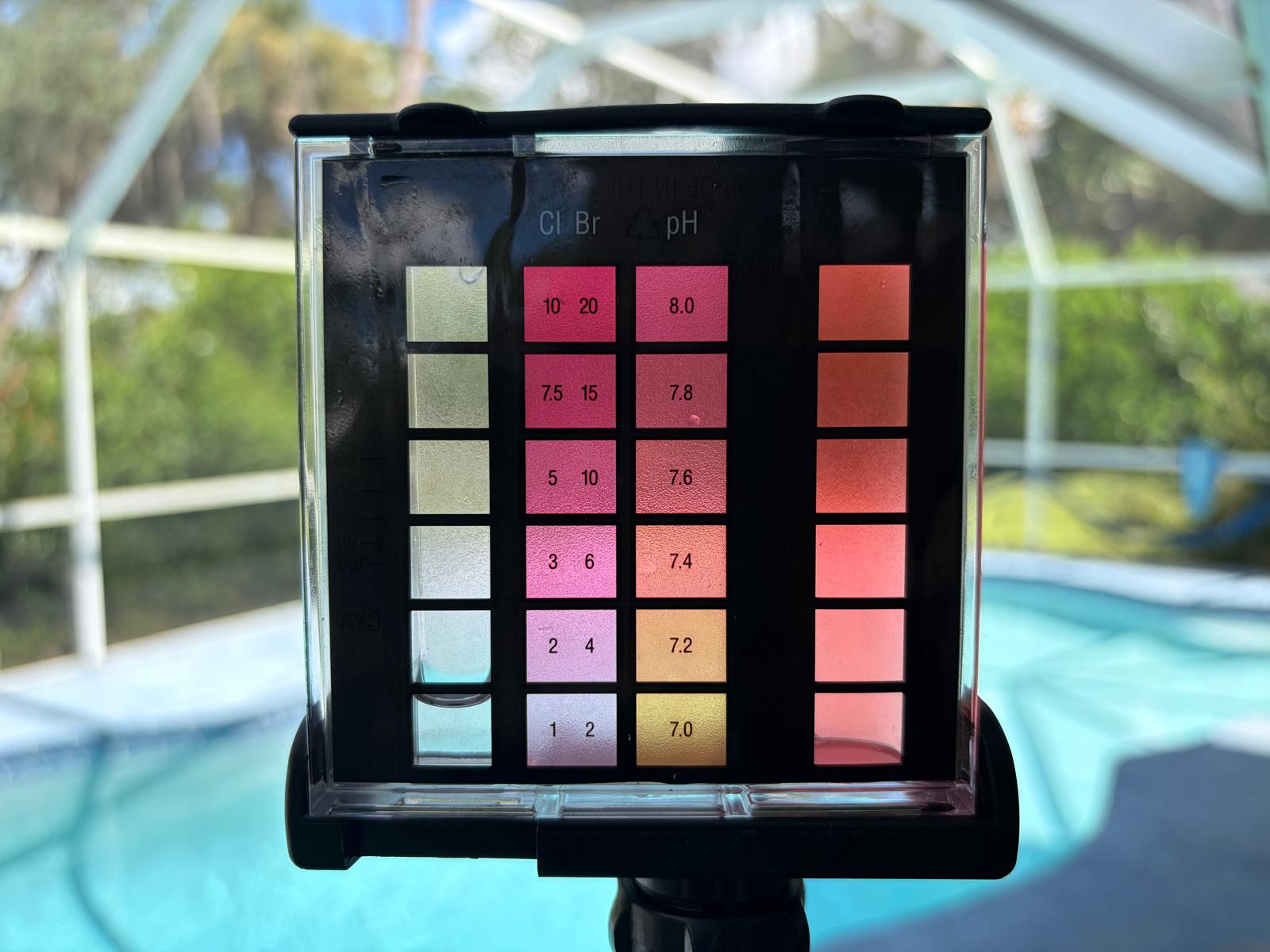
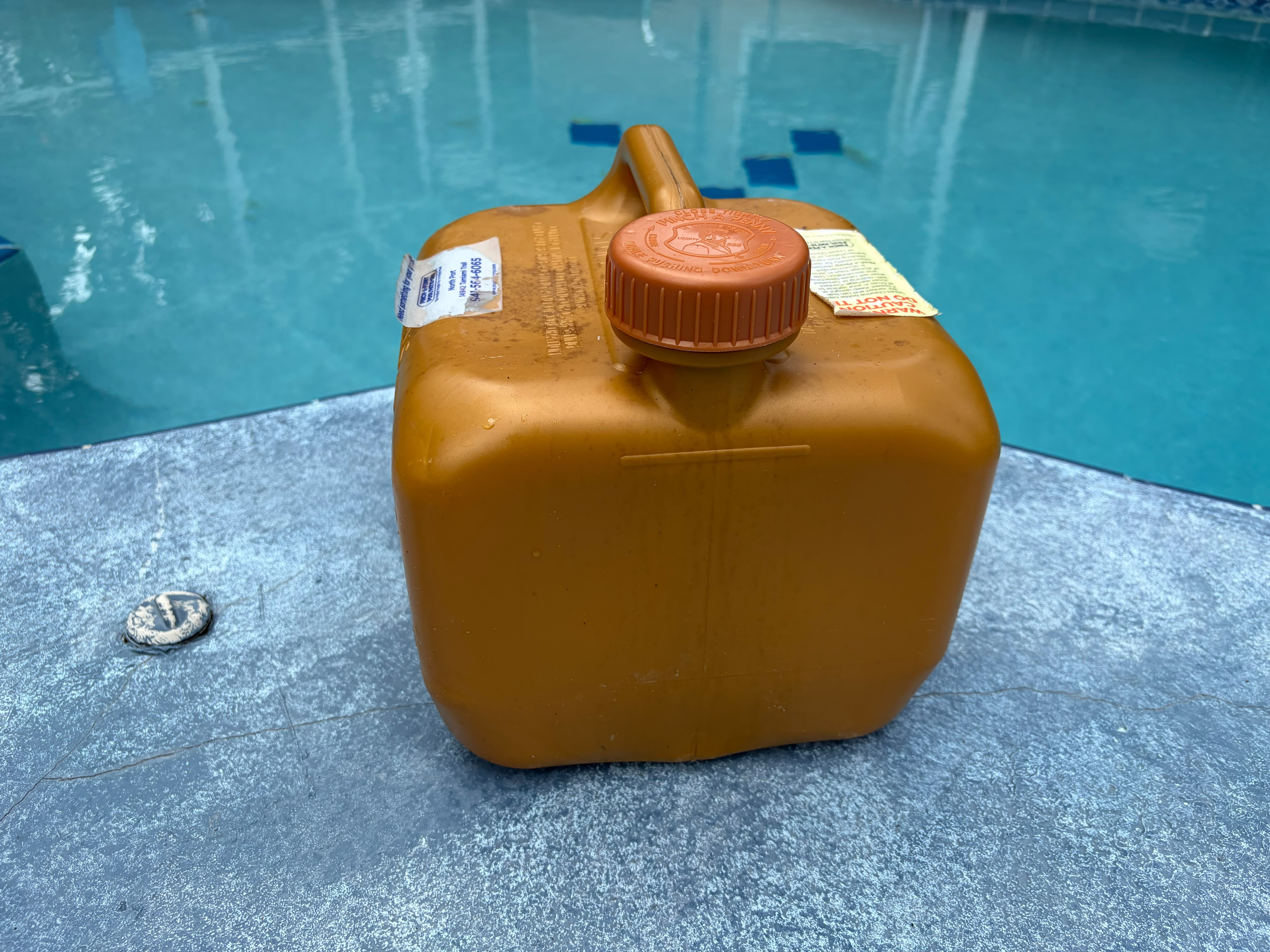
If you're adding chlorine every day, continually adjusting pH levels, or watching your readings swing from one extreme to another, something may be interfering with the pool's chemical balance.
Rapid chlorine loss, for example, can be caused by algae, organic contamination, insufficient stabilizer, heavy swimmer use, or another underlying problem.
Persistent water chemistry problems can also affect the pool surface and damage pool equipment over time. Water that remains excessively acidic, improperly balanced, or otherwise corrosive can contribute to deterioration of plaster, metal components, heaters, and other equipment.
Proper water chemistry is about more than keeping the water clear. It helps protect the pool itself and ensure the pool remains safe.
Regular testing and weekly pool service can identify small chemical imbalances before they become bigger problems.
4. Your Pool Has a Strong Chlorine Smell
Many pool owners assume a strong chlorine smell means there is too much chlorine in the water.
That's not necessarily true.
Strong chemical odors can be caused by chloramines, which form when chlorine reacts with contaminants introduced into the pool.
Chloramine buildup may be accompanied by eye irritation, swimmer discomfort, or other health risks, and the water may simply not feel as clean as it should.
Properly maintained pool water with adequate free chlorine and balanced chemistry generally should not have an overpowering chlorine odor.
If the smell keeps returning despite normal maintenance, professional water testing can determine whether chloramines, contaminants, or another chemical imbalance is affecting the water quality.
The goal isn't simply to add more chemicals. It's to understand why the water is out of balance in the first place so the underlying problem can be corrected—not just temporarily covered up.
5. The Filter Pressure Is High or Water Flow Is Weak
Your pool's filtration system depends on good water circulation.
When the filter is clean and the system is operating correctly, the pressure gauge should normally stay within a predictable range.
If the filter pressure suddenly increases, the cartridge or filter media may be dirty, a blockage may be restricting flow, or another circulation problem may be developing.
Weak water flow from the return jets is another warning sign.
You may notice that:
- Some return jets are much weaker than others
- The skimmer doesn't seem to pull properly
- Debris collects in the same areas of the pool
- Water movement is poor in certain corners
- The pump basket doesn't remain completely filled with water
Poor circulation can contribute to cloudy water and persistent algae growth even when the water chemistry initially appears acceptable.
The cause could be a dirty filter, clogged basket, valve position, air leak, plumbing restriction, pump problem, or another issue within the circulation system.
Regular filter cleaning and routine pool maintenance help keep water moving properly and can prevent minor circulation problems from becoming larger ones.
6. Your Pump Sounds Different or Your Electric Bill Suddenly Increases
Pool equipment becomes familiar when you hear it operating every day.
If the pump suddenly starts whining, rattling, grinding, humming loudly, or making another unusual noise, don't ignore it.
Loud noises from a pool pump can indicate worn bearings, restricted water flow, debris, air entering the system, or another mechanical problem.
You may also notice the pump running hotter than usual or struggling to maintain normal circulation.
An unexplained increase in electric bills can sometimes be another clue that pool equipment is working harder than it should.
A pump operating inefficiently may consume additional energy while still providing weak water flow.
Addressing inefficiency early often leads to cost effective solutions instead of letting equipment run until it fails completely.
A professional assessment can help determine whether the issue needs routine maintenance, adjustment, or professional repair.
7. Your Pool Water Level Keeps Dropping
Every outdoor pool loses some water through normal evaporation.
Southwest Florida's heat, wind, and dry periods can make evaporation more noticeable at certain times of year.
Afternoon rainstorms can also make it difficult to tell whether a pool is simply losing water to evaporation or whether a leak is beginning to develop.
Watching the water level over several days instead of after a single storm can provide a much clearer picture.
But if you're suddenly adding much more water than usual, don't automatically assume evaporation is responsible.
Significant or persistent water loss may indicate a leak.
Leaks can develop around plumbing connections, equipment, fittings, skimmers, lights, return lines, or within the pool shell itself.
One clue is a water level that continues dropping at an unusual rate even when weather conditions haven't changed much.
You may also notice wet areas around the equipment pad, unexplained moisture around the pool area, or areas of surrounding soil that stay unusually damp.
Because leaks can lead to further damage if ignored, unexplained water loss should be investigated rather than continually corrected by adding more water. Ongoing water loss can also increase chemical costs. Finding leaks early can help reduce repair costs.
8. You Notice Cracks, Roughness, Stains, or Surface Damage
Not every pool problem occurs in the water.
The pool's appearance can provide important clues about the condition of the pool surface and structure.
Small cosmetic imperfections aren't always serious, but visible cracks, flaking plaster, unusual surface roughness, loose material, or persistent stains on the pool walls deserve attention.
Pool surface cracks may be cosmetic, but larger or expanding damage can sometimes be structural cracks that indicate movement or an underlying structural issue.
A rough plaster surface can cause swimmer discomfort and may indicate that the finish is deteriorating. On pebble finishes, unusual loss of pebbles or exposed areas can also signal surface deterioration.
Chemical erosion, aging, improper water chemistry, and environmental factors can all affect surface integrity over time.
A professional pool inspection can help determine whether visible cracks or surface damage are cosmetic or whether further evaluation or resurfacing may be needed.
Addressing surface problems early can help prevent further damage and preserve both the aesthetic appeal and property value of the pool.
9. You See Problems Around the Pool Deck or Surrounding Structure
The swimming pool itself isn't the only area worth watching.
Changes in the surrounding concrete, coping, deck, or pool area can sometimes signal problems that need professional attention.
Visible cracks in surrounding concrete are common in Florida, and not every crack indicates serious structural damage. However, significant movement, widening cracks, settling, loose coping, or changes occurring near the pool shell can point to structural issues and should not simply be ignored.
Ground movement can place stress on plumbing connections and other components around the pool.
Safety hazards also deserve immediate attention.
Loose drain covers, damaged electrical components, broken decking, unstable coping, or sharp surfaces can create risks for swimmers.
If you're unsure whether something is cosmetic or structural, a professional inspection is much better than guessing.
A qualified professional can determine whether the visible damage points to underlying structural issues and whether a structural repair specialist is needed.
10. Taking Care of the Pool Has Become a Constant Battle
Sometimes there isn't one dramatic warning sign.
You're doing DIY pool maintenance.
Instead, the pool simply becomes exhausting to maintain.
You balance the chemicals. Then the water gets cloudy.
You clean the filter. Then algae appears.
You add chlorine. Two days later, it's gone.
You finally get everything looking good, and then a Southwest Florida thunderstorm dumps several inches of rain into the pool.
If maintaining your backyard pool feels like a never-ending chemistry experiment, it may be time for professional attention.
This is particularly true when the same problems keep returning.
Recurring problems often mean something deeper hasn't been addressed. Poor circulation can contribute to algae growth. A dirty filter can reduce circulation. Chemical imbalances can affect the pool surface and equipment. A leak can create additional chemistry problems by requiring constant fresh water.
Pool systems work together, which means one minor problem can sometimes trigger several others.
Professional pool care isn't simply about cleaning leaves out of the water; regular maintenance helps ensure the pool remains in good condition. Regular maintenance gives someone an opportunity to monitor water chemistry, water quality, filtration, circulation, pool equipment, and the pool's overall condition from week to week.
Early Warning Signs Can Prevent Costly Pool Problems
Many expensive pool repairs begin as relatively small issues.
A slightly cloudy swimming pool may indicate poor filtration.
Weak return flow could point to a dirty filter or circulation problem.
Persistent algae growth may reveal inadequate sanitation.
Unexplained water loss could indicate a leak.
Visible cracks or surface deterioration may require professional assessment before further damage occurs.
Catching these early warning signs can help pool owners protect their equipment, maintain proper water chemistry, and keep the pool safe and enjoyable.
Proper maintenance also makes it easier to notice when something changes.
When a qualified pool professional sees the same pool regularly, changes in filter pressure, water quality, circulation, chemical demand, and equipment performance are easier to recognize before they become costly repairs, helping ensure the pool remains safe and functional.
When Should You Schedule a Professional Pool Inspection?
You don't necessarily need a professional inspection every time a leaf falls into the pool.
But recurring water problems, unusual equipment behavior, unexplained leaks, visible cracks, structural concerns, or safety hazards should be addressed promptly.
You should consider professional attention when:
- Cloudy water repeatedly returns
- Algae keeps coming back
- Water chemistry won't remain balanced
- The pool has a persistent strong chlorine smell
- Filter pressure rises or return flow becomes weak
- The pump begins making unusual noises
- Water loss exceeds what appears to be normal evaporation
- You notice cracks or deterioration in the pool surface
- The surrounding structure begins showing unusual movement or damage
- Routine maintenance has turned into constant troubleshooting
A professional assessment can help determine whether you're dealing with ordinary maintenance or something that requires professional pool repair services.
Need Help With Your Pool in North Port?
If your pool keeps giving you problems or you're tired of spending your free time trying to keep everything balanced, Harbor Line Pool Care can help.
We provide professional pool service in North Port, Florida, including routine cleaning, water testing, chemical balancing, equipment checks, filter maintenance, weekly pool care, and green pool cleanup.
Regular professional care helps catch minor issues early, protect water quality, and keep your swimming pool clean, clear, and ready to enjoy, while also supporting the renovation process when surface or structural problems are identified before they worsen.
If you've noticed any of these warning signs, don't assume they'll simply go away on their own. Small issues often become expensive repairs when they're ignored. Addressing problems early can help protect your pool equipment, preserve water quality, and avoid major repairs down the road.
Routine professional maintenance isn't just about keeping the water clean. Our weekly pool cleaning service helps identify small problems before they become expensive repairs. Whether your pool needs a simple adjustment or a more thorough inspection, our North Port pool service can help keep your water balanced, equipment protected, and pool ready to enjoy year-round. If you've noticed any of these warning signs, contact Harbor Line Pool Care to schedule a professional pool inspection before a small issue becomes a costly repair.
Harbor Line Pool Care — dependable weekly pool care for North Port homeowners.