Pool Safety Tips for Families in North Port
Ensuring Pool Safety in Southwest Florida
Owning a swimming pool in Southwest Florida means year-round enjoyment. It also means year-round responsibility.
In North Port and Port Charlotte, pools aren’t seasonal. They are used in spring, summer, fall, and even mild winter afternoons. Because of that, pool safety isn’t something you think about once. It’s something you build into your routine.
Safe pools are not accidental. They are intentional.
Here’s what homeowners need to know.
Start With Physical Barriers
The first layer of pool safety is physical protection.
Florida law requires certain safety measures, but smart homeowners go beyond minimum requirements. Proper fencing, self-closing gates, and secure latches are critical. A barrier should completely isolate the pool area from the home and yard whenever possible.
Doors leading to the pool should have alarms or high locks. Screens alone are not barriers.
If children visit your home — even occasionally — assume curiosity will win. Prevention always works better than reaction.
Supervision Is Non-Negotiable
No safety device replaces supervision.
Even strong swimmers can get into trouble quickly. Slips, fatigue, or simple distraction can change everything in seconds. When children are swimming, a responsible adult should remain present and attentive — not inside, not distracted, not multitasking.
Designate a “water watcher.” Rotate if needed. Make it clear who is responsible at any given time.
Clear expectations prevent confusion.
Keep Water Clear and Balanced
Water clarity is more than appearance. It is safety.
If you cannot clearly see the main drain at the bottom of the pool, the water is not safe. Cloudy water hides hazards and makes it difficult to see someone in distress.
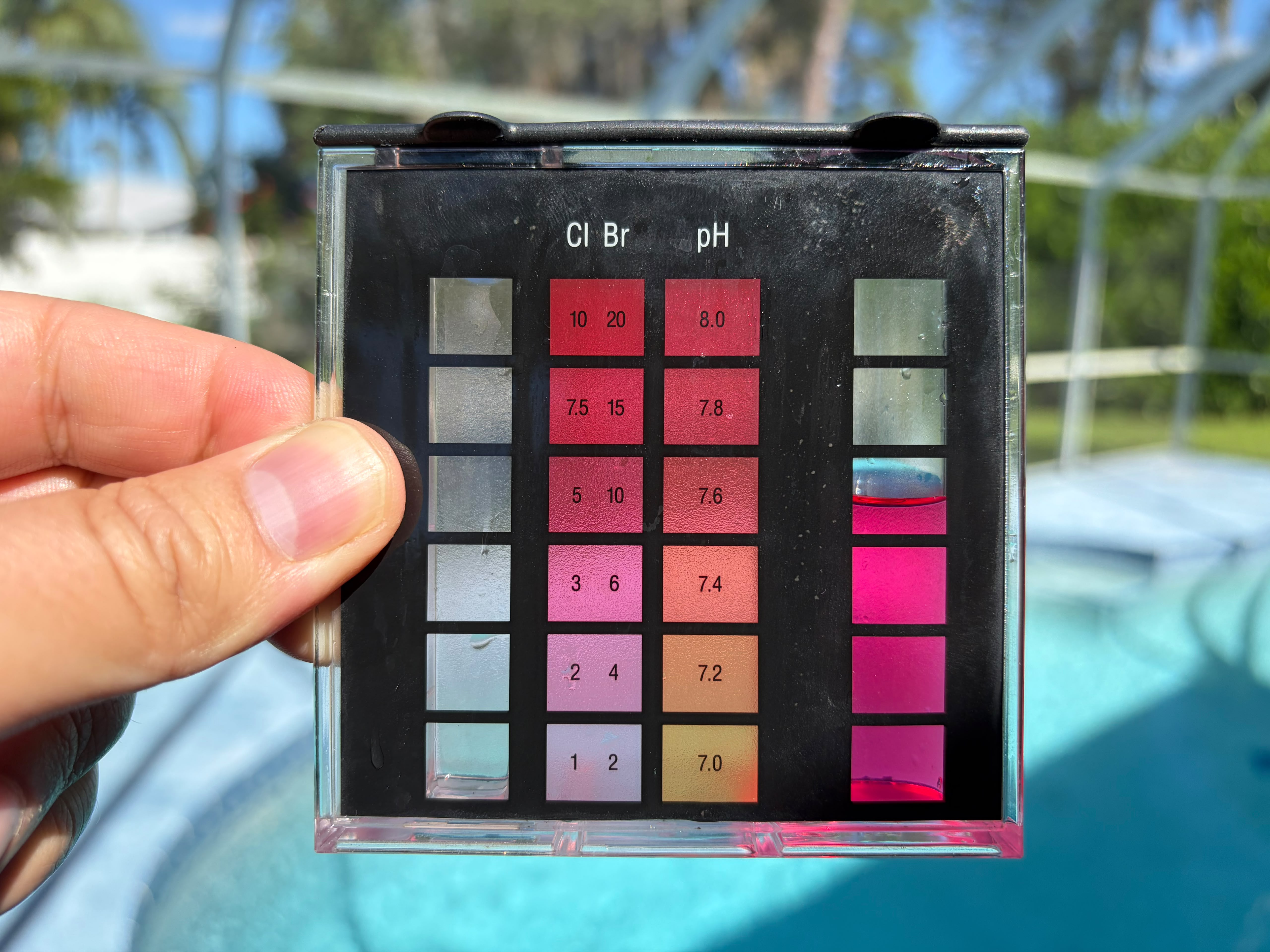
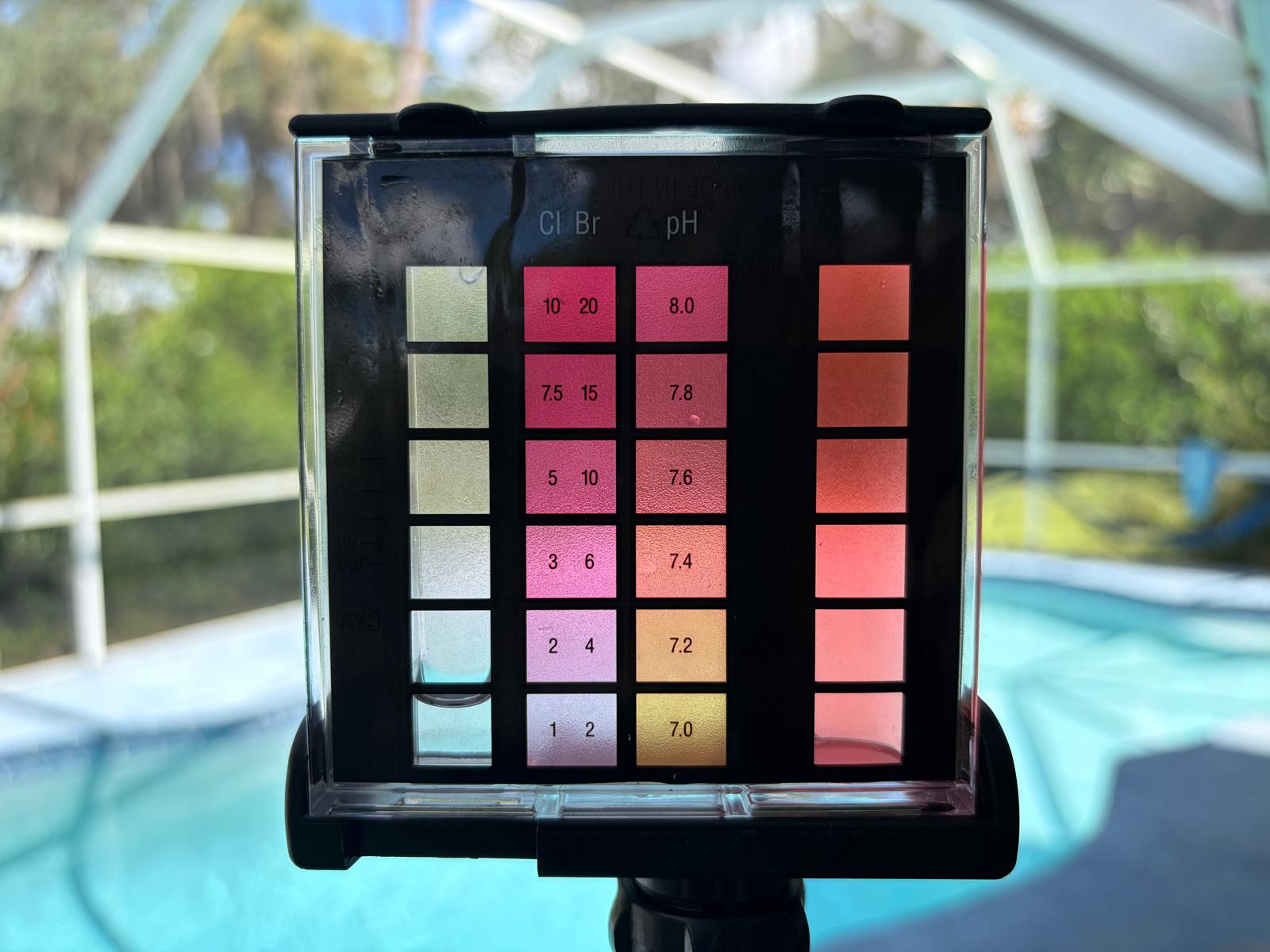
Balanced water chemistry also protects swimmers from irritation and bacteria. Proper chlorine levels, controlled pH, and monitored stabilizer levels keep the water clean and predictable.
This is one reason many homeowners choose structured North Port pool care rather than guessing at chemical adjustments. Consistency keeps water stable, especially during heavy rain or high use.
Clear water isn’t cosmetic. It’s protection.
Prevent Slips and Falls
In Southwest Florida, wet surfaces and algae growth can become a problem quickly.
Decks, coping, and pool steps should be brushed and rinsed regularly. Small patches of algae on stairs are extremely slippery and easy to miss. Keeping surfaces clean reduces risk significantly.
Consider non-slip coatings if your deck surface is smooth. Make sure ladders and handrails are secure and stable.
Safety often comes down to traction.
Teach Basic Water Skills Early
Swimming lessons dramatically reduce drowning risk.
Even young children benefit from age-appropriate water instruction. Knowing how to float, tread water, and safely exit a pool builds confidence and awareness.
For adults who are not strong swimmers, basic instruction is just as important. Pools are for everyone — but everyone should respect the water.
Keep Safety Equipment Accessible
Every pool should have:
• A reaching pole
• A life ring or flotation device
• A clearly visible emergency contact plan
Keep these items within reach — not stored in a garage.
CPR knowledge is invaluable. Taking a certified class provides skills you hope you never use but may someday need.
Preparedness is part of responsible ownership.
Maintain Pool Equipment Properly
Pool safety includes equipment.
Loose drain covers, malfunctioning pumps, or damaged filters can create unsafe conditions. Pumps should run properly to maintain circulation. Drain covers should meet current safety standards to prevent entrapment.
Routine inspections matter.
This is where consistent North Port pool maintenance becomes important. Professional oversight helps spot small issues before they become safety concerns.
A safe pool is a maintained pool.
Be Cautious With Chemicals
Pool chemicals should always be stored safely and handled properly.
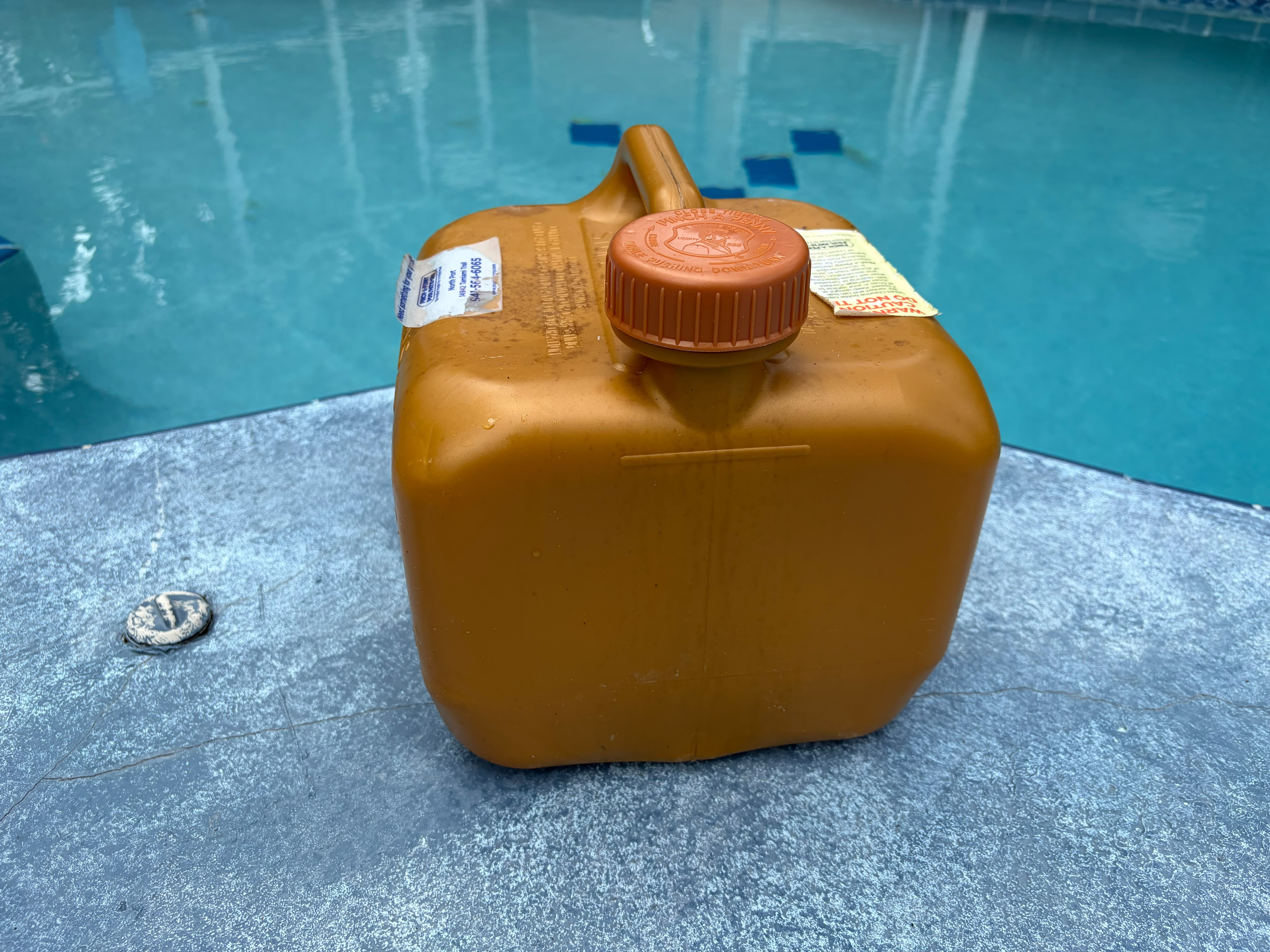
Keep chlorine, acid, and other products locked away from children. Never mix chemicals. Always follow label instructions.
Improper chemical handling can cause burns, respiratory irritation, or dangerous reactions.
When in doubt, consult a professional before adjusting levels.
Plan for Storms and Heavy Rain
Southwest Florida weather changes quickly.
Heavy rain can dilute chlorine levels and introduce debris into the pool. After storms, check clarity and chemistry before swimming. Remove large debris promptly to prevent algae growth.
Storm preparation isn’t only about equipment — it’s about restoring safe water conditions quickly afterward.
Avoid Risky Behavior
Diving into shallow water causes serious injuries every year.
Know your pool depth. Make it clear to guests where diving is not safe. Rough play, running, and pushing should never be tolerated around the pool.
Alcohol increases risk significantly. When gatherings include swimming, someone sober should remain attentive.
Fun and safety are not opposites. They work together.
Create Clear Pool Rules
Rules prevent hesitation in emergencies.
Post simple expectations:
• No running
• No diving in shallow areas
• No swimming alone
• Always supervise children
Make safety part of your pool culture.
When rules are understood in advance, enforcement becomes easier.
Why Ongoing Maintenance Supports Safety
Pool safety and pool maintenance are directly connected.
Unbalanced water leads to cloudiness. Cloudy water reduces visibility. Poor circulation increases bacteria risk. Slippery algae forms quickly in Florida heat. Many of these issues fall under common pool problems that homeowners experience throughout the year.
Consistent weekly pool cleaning prevents these issues before they start.
Homeowners who invest in routine North Port pool service reduce the likelihood of unexpected problems during high-use months.
Predictable water means fewer surprises.
Safe Pools Are Enjoyable Pools
A pool should feel relaxing, not stressful.
When safety measures are built into routine maintenance, supervision, and clear expectations, the pool becomes what it’s meant to be — a place for enjoyment.
In North Port and surrounding communities, pools are part of everyday life. Treat them with respect, maintain them consistently, and they remain one of the best features of your home.
Safety isn’t complicated. It’s consistent.