Common Pool Problems in Southwest Florida
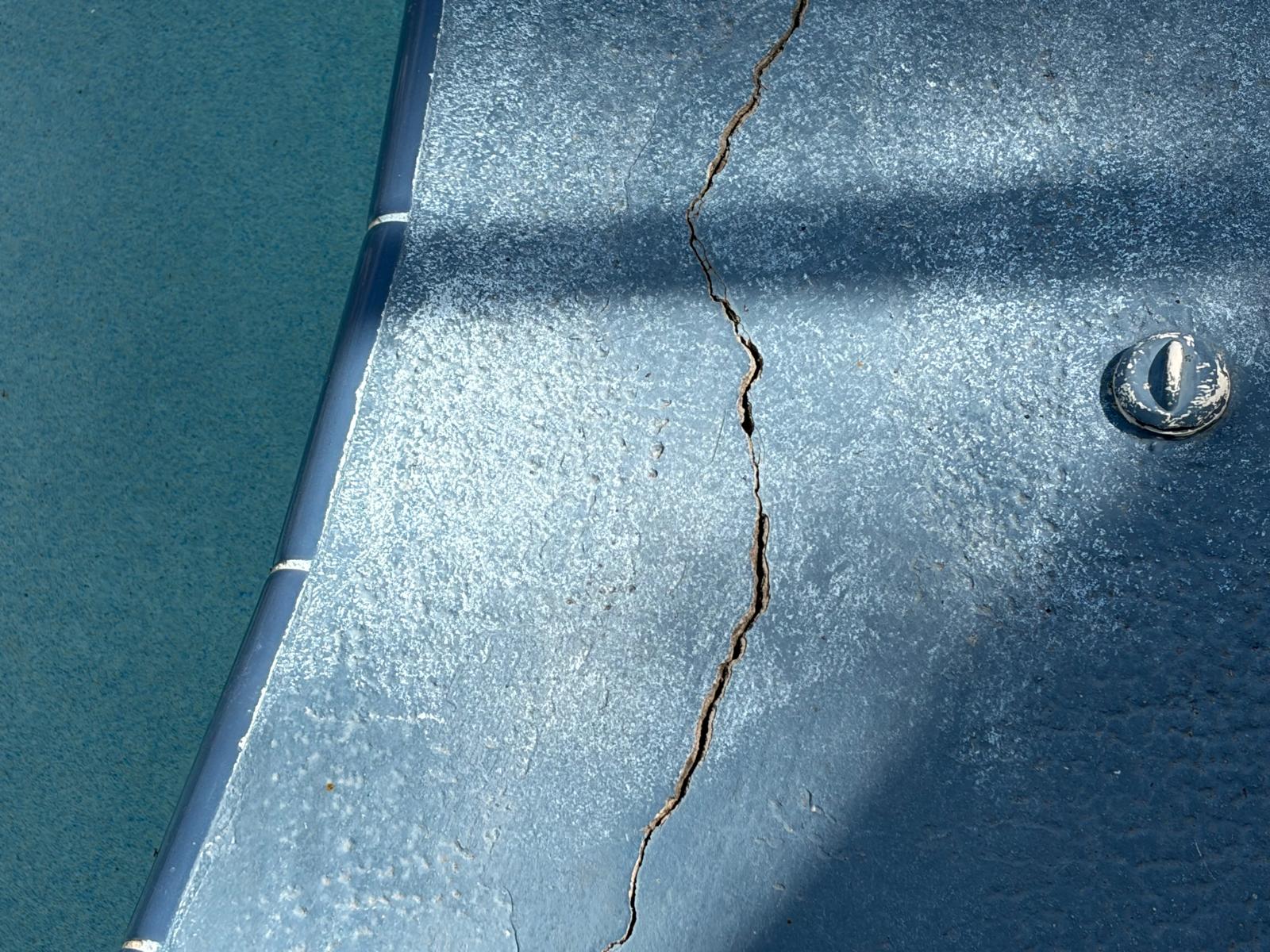
Owning a pool in Southwest Florida is different than owning a pool almost anywhere else in the country.
Between heavy summer rains, high UV exposure, warm water temperatures, and year-round swimming, pools in North Port and Port Charlotte work harder than most homeowners realize.
When chemistry drifts or equipment slips, problems show up fast.
Here are the most common pool problems we see locally — and what actually fixes them.
Green Water and Algae Blooms
This is the big one.
Algae thrives in warm water. And in Florida, water rarely cools down enough to slow growth.
Common causes:
• Low free chlorine
• High phosphates
• Poor circulation
• High stabilizer (CYA)
• Skipped service weeks
Once algae gets a foothold, brushing alone won’t solve it.
You need:
• Proper chlorine shock levels
• Corrected pH
• Full circulation
• Filter cleaning
• Sometimes vacuum-to-waste
In severe cases, especially after summer rain cycles, a full green-to-clean recovery service may be required.
Prevention is always easier than recovery. That’s why consistent weekly pool cleaning matters.
Cloudy Water
Cloudy water is frustrating because it looks dirty even when it isn’t unsafe.
Common causes:
• Poor filtration
• Dirty cartridges
• Low chlorine
• High calcium hardness
• Fine debris after storms
In Southwest Florida, afternoon rainstorms wash dust and organic debris into pools constantly. If filtration isn’t optimized, water clarity suffers.
Solutions typically involve:
• Cleaning or replacing filters
• Balancing alkalinity and pH
• Maintaining steady sanitizer levels
• Improving circulation time
Clear water isn’t accidental. It’s maintained.
High Cyanuric Acid (Stabilizer) Levels
This is one of the most misunderstood issues.
Trichlor tablets add chlorine — but they also add stabilizer.
Over time, CYA builds up. And once it’s too high, chlorine becomes less effective.
The result?
You can test at “3 ppm chlorine” and still grow algae.
The only true solution for high CYA is partial water replacement.
In Florida heat, we often recommend liquid chlorine systems instead of heavy tablet use during peak summer months.
Chemistry decisions matter here.
Low Total Alkalinity and pH Swings
Florida rain is acidic.
Heavy downpours dilute pool water and drive alkalinity down. When total alkalinity drops too low, pH becomes unstable.
You’ll see:
• Rapid pH rise
• Corrosion warnings in software
• Irritated eyes
• Surface wear
Proper alkalinity buffering keeps water balanced and protects plaster, tile, and equipment.
This is not something most homeowners test frequently enough.
Calcium Scaling
Hard water combined with heat equals scale.
You’ll notice:
• White buildup on tile
• Rough pool surfaces
• Scaling on salt cells
• Reduced heater efficiency
Once scale forms, removal becomes labor-intensive.
Prevention is easier:
• Monitor calcium hardness
• Keep pH controlled
• Maintain proper saturation index
In fiberglass pools, scaling can become especially visible along the waterline.
Clogged or Failing Filters
Your filter does more than most people realize.
When cartridges clog:
• Flow rate drops
• Circulation suffers
• Chlorine distribution weakens
• Algae gains opportunity
Many homeowners wait too long between cleanings.
In North Port and Port Charlotte, with heavy pollen and vegetation, filters often need more frequent maintenance than national averages suggest.
Pump and Equipment Issues
Pumps run nearly year-round in Florida.
Common failures include:
• Capacitor burnout
• Seal leaks
• Air leaks in suction lines
• Worn O-rings
If you hear unusual noises or notice reduced flow, it’s worth addressing early.
Small repairs prevent expensive replacements.
Phosphate Buildup
Phosphates feed algae.
They enter pools from:
• Lawn runoff
• Fertilizers
• Organic debris
• Rainwater
High phosphate levels alone don’t cause algae — but they make outbreaks more aggressive if chlorine drops.
In high-vegetation areas, phosphate removal can be part of a long-term clarity strategy.
Inconsistent Service or DIY Gaps
This is the most common underlying issue.
Florida pools don’t tolerate neglect well.
Missing two or three weeks in peak summer can undo months of balance.
Water temperatures stay high.
Chlorine demand stays elevated.
Algae pressure never fully disappears.
Consistency is what keeps problems small.
Why Southwest Florida Pools Require a Different Approach
Many online pool articles are written for cooler climates.
But here, in North Port and surrounding areas, pools operate almost year-round. Water rarely drops below algae-friendly temperatures.
That changes everything.
Chemical demand is higher.
Rain dilution is constant.
UV exposure is intense.
What works in Ohio doesn’t always work here.
Prevention Is Always Cheaper Than Repair
Most pool problems follow a pattern:
Small imbalance → slight cloudiness → algae pressure → chemical overcorrection → bigger issue.
Weekly maintenance stops that cycle before it starts.
Regular brushing.
Filter inspections.
Balanced chemistry.
Consistent sanitizer levels.
It’s steady work.
But steady work prevents emergencies.
When It’s Time to Call a Professional
If you notice:
• Green tint starting
• Persistent cloudiness
• Rapid chlorine loss
• pH that won’t stabilize
• Scaling on tile
• Reduced water flow
It’s better to address it early.
For homeowners in North Port looking for consistent, preventative maintenance, our North Port pool service is designed to stop these problems before they escalate.
Because once a pool turns green in Florida heat, recovery becomes labor-intensive and expensive.
Final Thoughts
Pools in Southwest Florida face unique stress year-round.
Heat, rain, UV exposure, and heavy organic debris all work against balance.
But most problems are predictable.
And predictable problems are preventable.
Stay consistent.
Monitor chemistry.
Clean filters regularly.
Address issues early.
Your pool should be relaxing — not stressful.
And when maintained correctly, it will be.